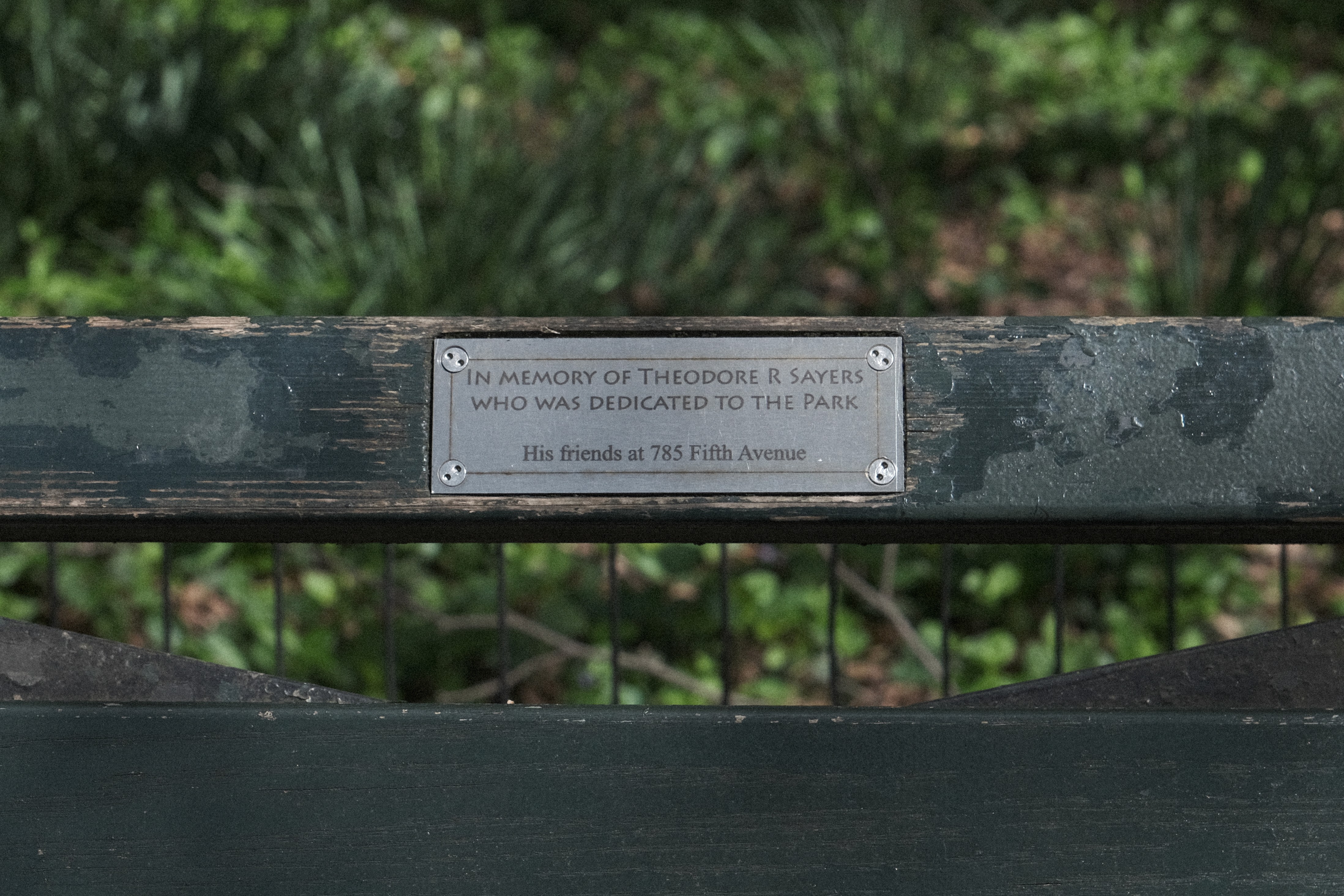
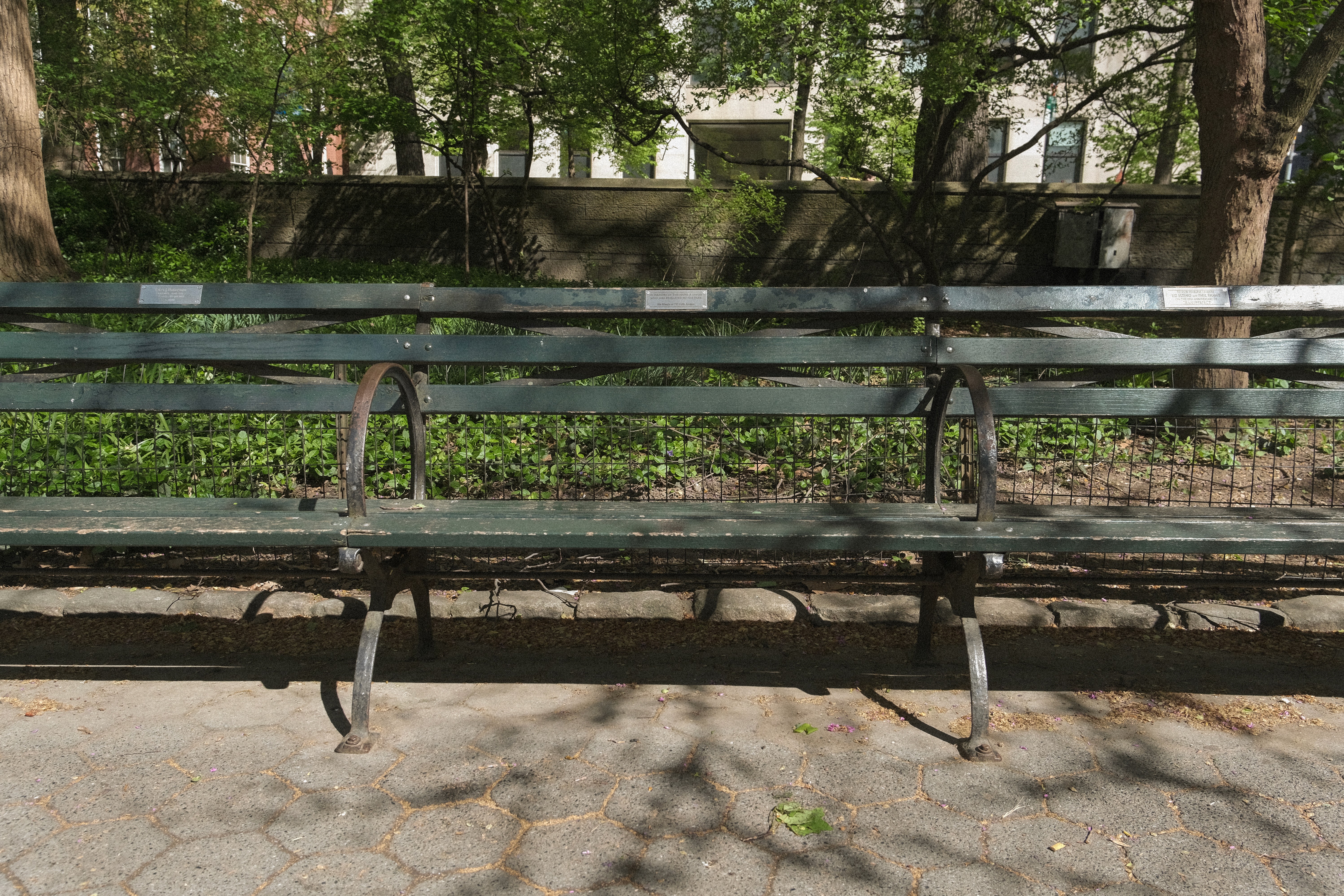

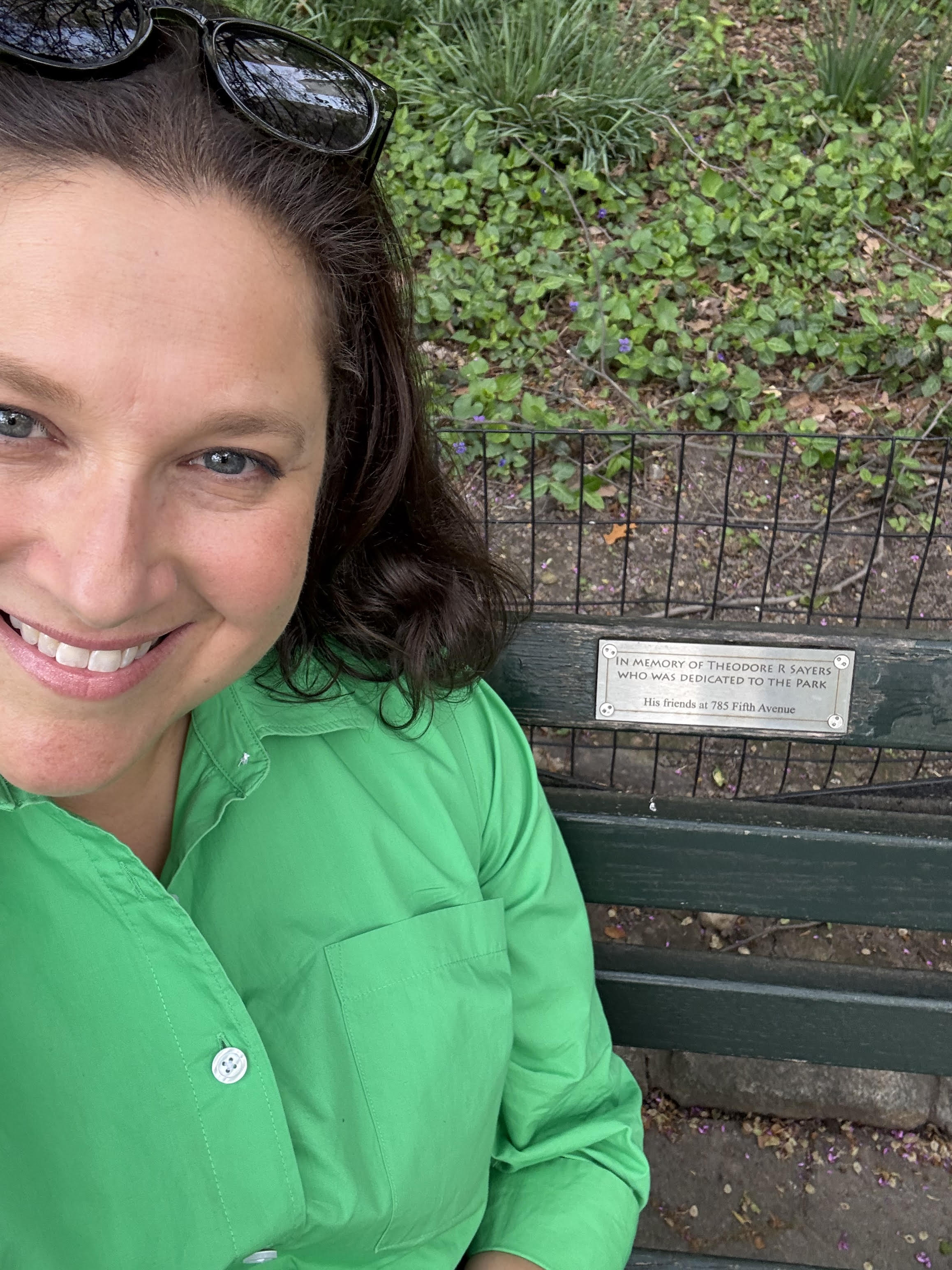
"In Memory of Theodore R. Sayers, who was dedicated to the park. His friends at 785 Fifth Avenue"
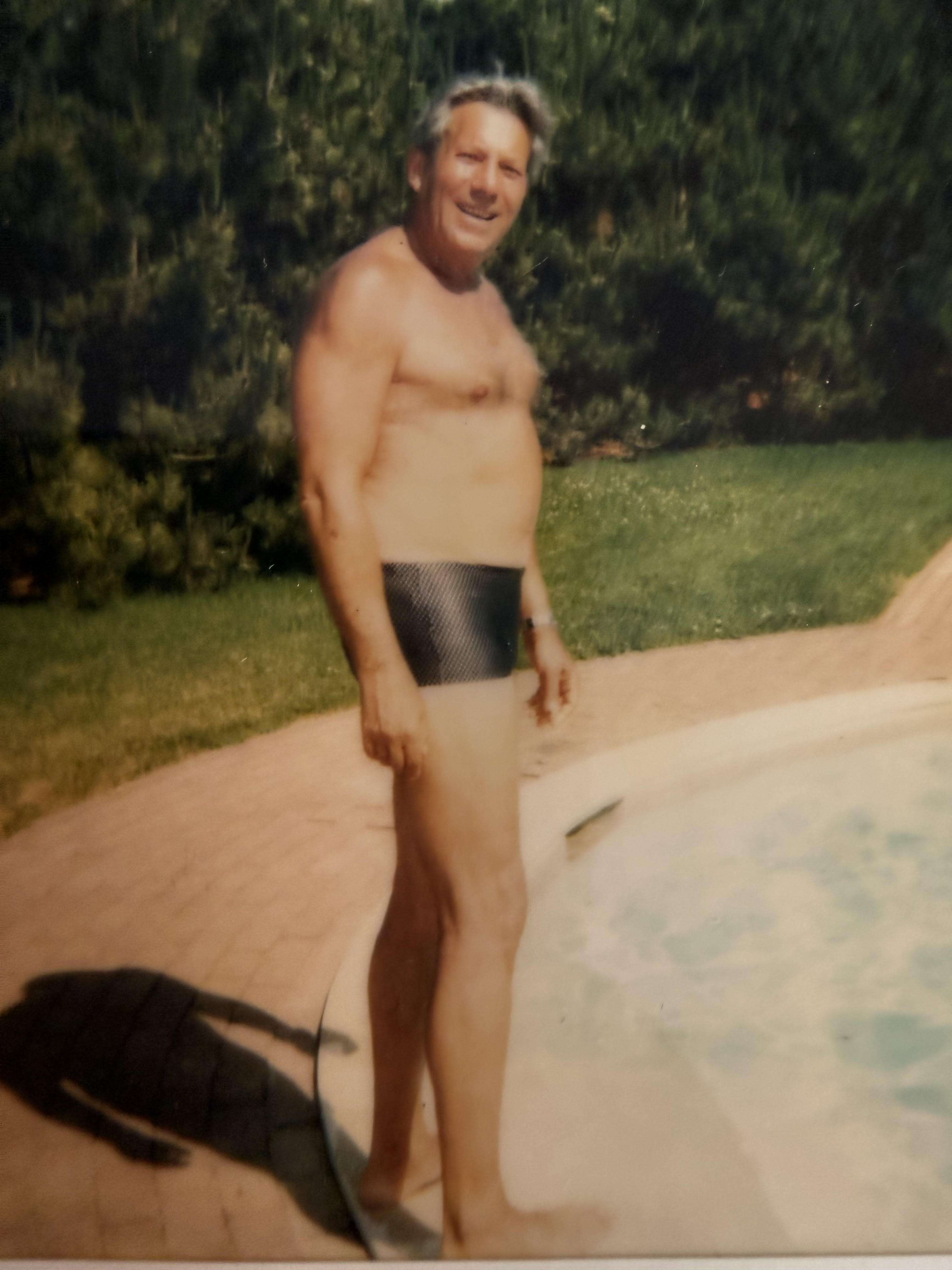
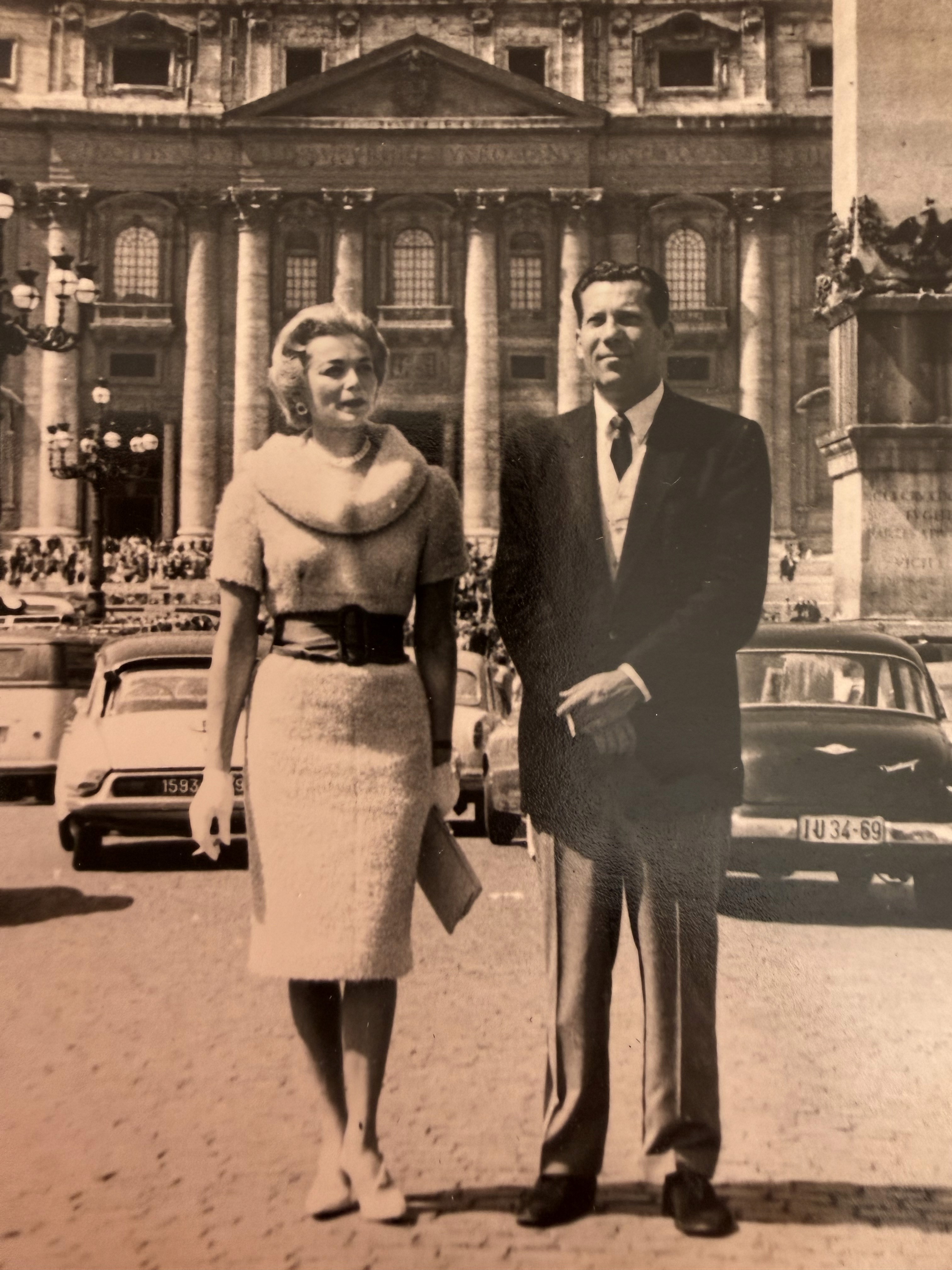
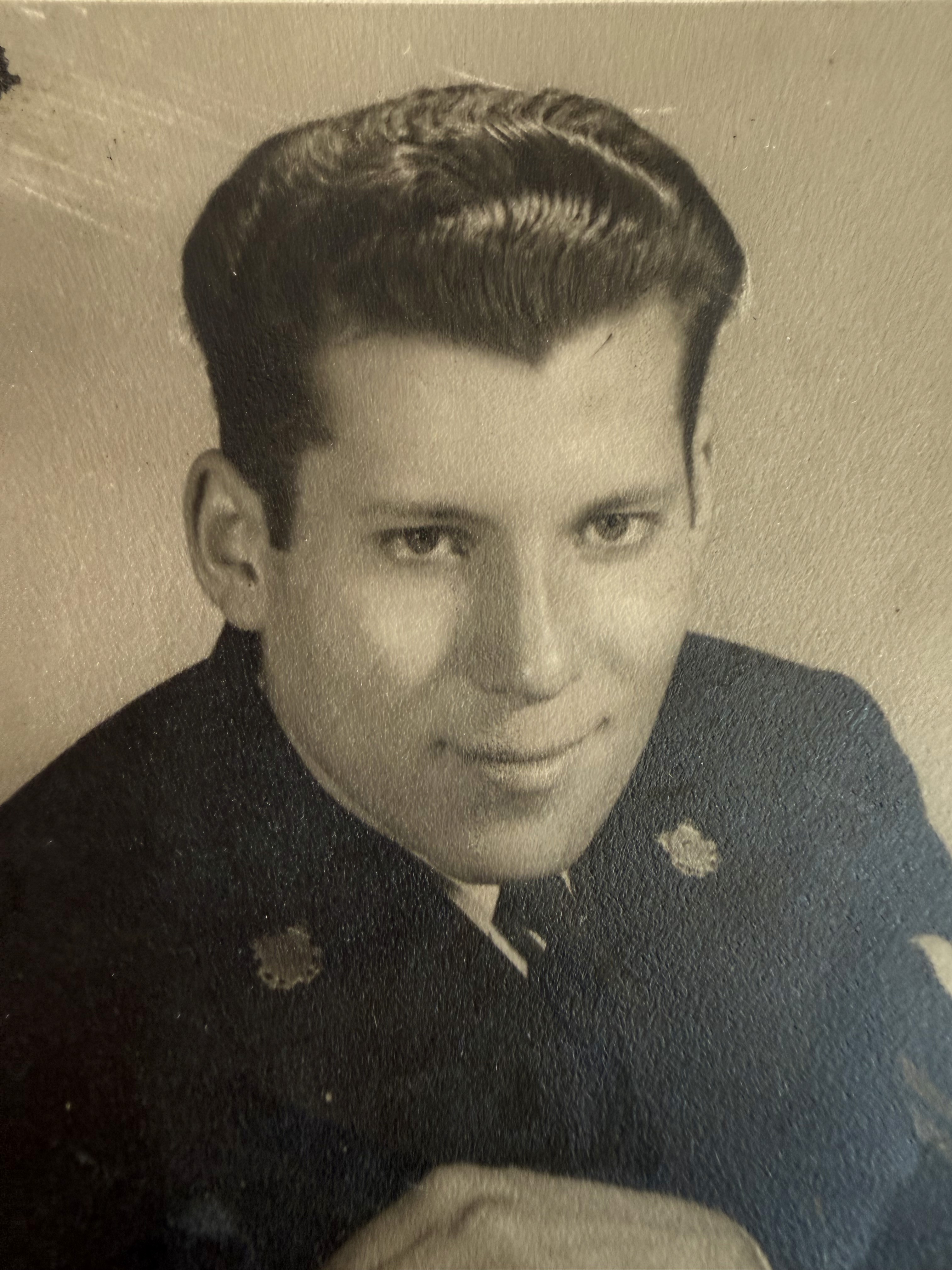
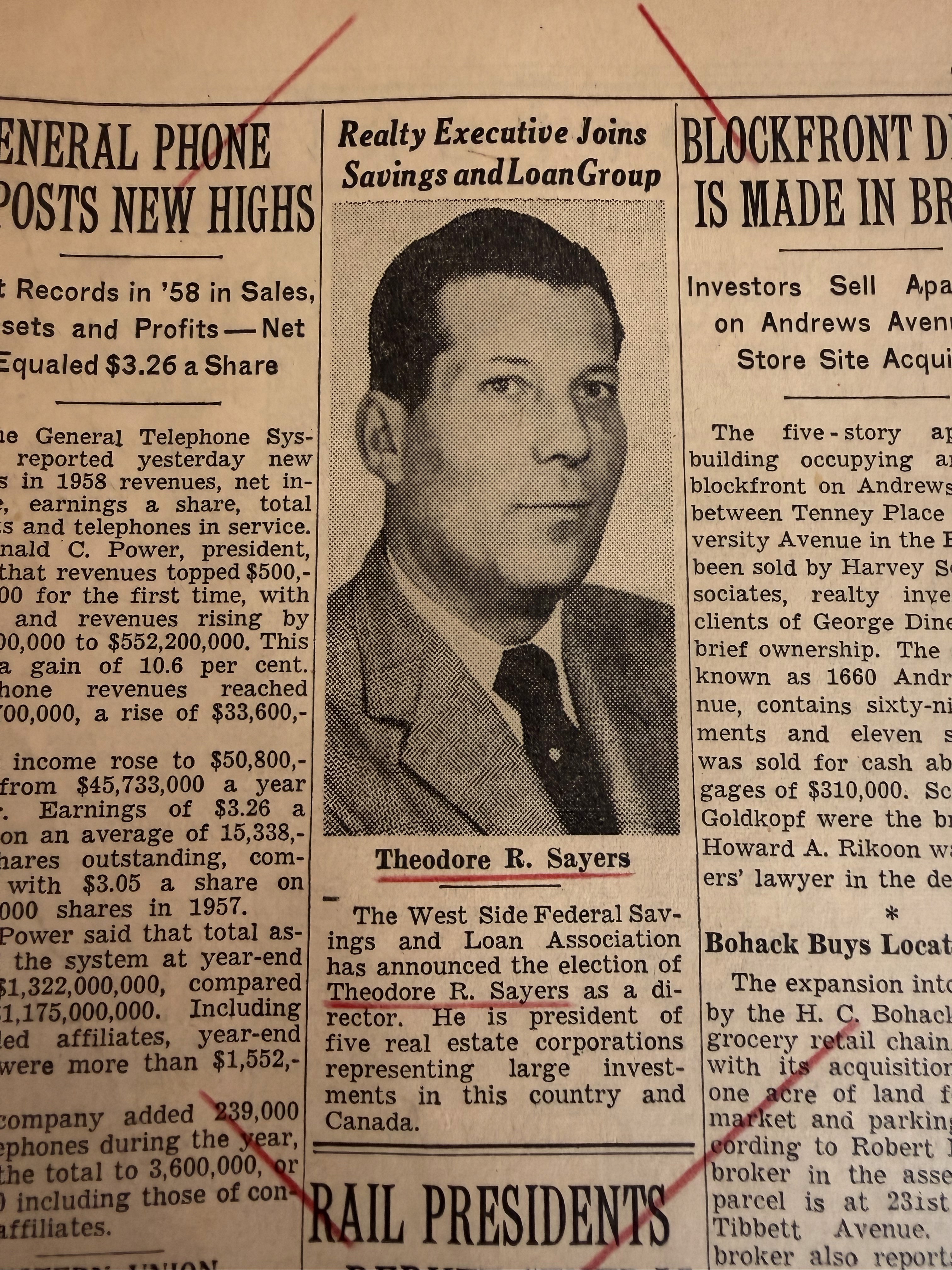
Theodore R. Sayers was a New York–based real estate developer and lifelong resident of the Upper East Side. Born to immigrant parents and raised in Brooklyn, he built a successful career from modest beginnings and became deeply involved in the cultural and civic life of the city.
This bench was dedicated by “his friends at 785 Fifth Avenue,” the building where he lived with Lillian for many years and where he served as the president of the board.
Lauren Braun Costello is Theodore Sayers’ granddaughter. Born and raised in New York City, she spent much of her life in close proximity to her grandfather, even having lived with him for a short while after graduating college.

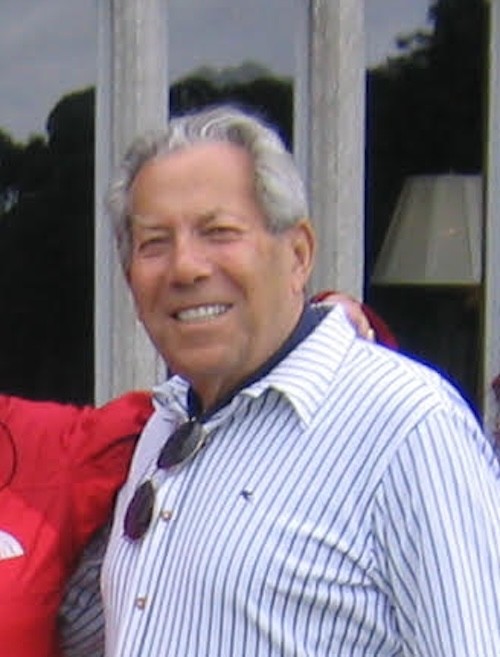
Interview with Lauren Braun Costello
March 5, 2026
Interview Transcript
Okay, what was my relationship with my grandfather?
So my relationship with my… So, by way of background of me, I'm now 49 years old. I now live in Connecticut, I left New York just when I was turning 40, so I've been there, you know, I've been here the better part of a decade, born and raised in New York on the Upper East Side, East 62nd Street, and he lived 785 Fifth Avenue, which as you can tell, is on 60th Street, so big surprise, they put the bench on 61st. And he, before that, lived many decades on 62nd, and before that, 59th and Park, and before that, 66th and Madison. So he's been, you know, within, you know, six, seven blocks of that area for, I guess, if you added it up, it would...he died when I was in college… and he moved to the 510 Park Avenue and 10E 66th Street, I guess 40, 50 years, something like that.
My relationship with my grandfather was, I guess, ultimately somewhat complicated, but on its face, we were close in that, you know, as a child, I was sort of in awe of him and a bit afraid of him in a way because of his, like, towering figure, kind of.
But he and my grandmother, his wife, my grandmother, was, you know, the one with whom I felt sort of a natural affection, and my grandfather was a person I wanted to, you know, please and have him be proud of me, but I was, like, a little, you know, a little intimidated.
And then, once my grandmother died when I was in college, I became much closer with him, and as she was dying, I guess I became closer with him, and then I became extremely close with him.
I even lived with him at 785 Fifth Avenue for a somewhat brief period, like, after college, before I had my own apartment. I mean, maybe it worked out to be a couple of months max, you know, like, very temporary. But I was close with him in that way, and then when my boyfriend, who's now my husband, you know, when we were seriously dating and became engaged and all that, my grandfather kind of sort of made him a protege of his, and, like, we were very, very close in that way, but complicated relationship.
There were a lot of personalities involved. It was like dedicated crew on the sailboat, a lot of choppy water, but we were very, you know, very connected, very, very close.
And so I have so many of my young adult, virtually all of my young adult memories are tied to extraordinary and fun and interesting and worldly experiences with him.
He was an extremely worldly man, an extremely sophisticated person. It was all self-taught.
You know, he grew up, as he would tell you, in Bensonhurst, with his feet, you know, his bedroom and bed were so small, that his feet literally were out the window, I don't know if that's, you know, nice sort of folklore exaggeration or there was some truth to that.
And like so many people of that generation, I don't know if you're too young to know this turn of phrase, but, like, they're considered, quote unquote, the greatest generation.
He's a true example of what was so particularly possible. I mean, the American dream, obviously, is still very possible. People are still coming, you know, you can be from anywhere and do anything in this country, but he certainly was from that generation where that was really not only possible, but felt almost like if you put in the work, it would be a promise almost, you know? In ways that I know your generation probably did not feel. But back then it was like really like, little pink houses for everybody, kind of like, you will do better than your parents, like if you just do the thing, you'll do better than your parents.
And he certainly was a living embodiment of so many people of his generation fulfilling the American dream, becoming, you know, fabulously wealthy from his, you know, humble beginnings and just living largely, right? Like living really largely.
And so by the time he was in his seventies and I was in my twenties, to roughly put it, he, you know, was really wanting to show me and my husband who came from very different background than I did, you know, came from more humbler beginnings than I did. Cause I, thanks to my grandfather's great successes and my, you know, parents, I was born a little bit more on third base, and my husband wasn't.
And he loved to show us the world. I remember one night he said, “Oh, Bobby Short is going to be retiring.” You know, he's a staple. Bobby Short is a very famous cabaret singer who sang at Cafe Carlyle, and he's gonna retire any minute. “And I was just thinking tonight we should go, and you should see him.”
And I mean, I can't believe we went and saw Bobby Short, and no joke, like that year, he retired. And getting to see an icon, like it just doesn't happen. Like imagine, you know that A-Rod, it’s gonna be his last game and you get tickets to like, you know, like it's sort of like that.
And memories of things like that, just dining at the finest places, seeing the most interesting theater productions. Speaking of Central Park, you know, I was very lucky to see Shakespeare in the Park, but like having a private picnic at the Delacorte Theater, like at the castle, that little folly there. And they would have, you know, the Central Park Conservancy for the big donors and they would do like a beautiful picnic before going into special row of seats for Shakespeare in the Park.
And I remember seeing Othello that way with him.
And that was just, so I remember going to opera in the park and the same thing. I went with my friends and I sat on a blanket for opera in the park, like everybody and having yummy picnics.
But I also sat like in the private seats with the mayor. It's endless stuff like that.
He just was, he had a very large personality. And like most of us, like all of us, our best parts of ourselves are often also the worst parts of ourselves. And for him, he was, you know, very proud. And if you could, if you could embody him in a, like if it were Kabuki theater, like if it were just like a physical act, you know, that you could embody his personality, like a bird that has like a big puffy chest, like it's like a little waist, chin-up kind of thing.
That was him, which was like very attractive to many people. Also like quite obnoxious, I'm sure to other people, and myself included, upon reflection in other older days.
But everywhere he was, was the best place to be. It was the most fun. It was the most, everything was fabulous, you know, kind of thing. And that was just endless memories around really getting the best out of New York, all the things that New York has to offer at the highest level, the inside level and all that stuff.
We did all of that with him and it was, it was fun.
So my grandfather, like I said, came from humble beginnings in Bensonhurst, obviously the son of a Jewish immigrant, as was typical of the time, you know. Parents came over at the turn of the century, pogroms, antisemitism in Europe, all that, you know, brought huge waves of Jews, as I'm sure you know, at that time, to mostly New York, of course, other places too. People came to Galveston, they came to South Carolina, but to New York, right?
He worked in the garment business with his father briefly, which we Jews refer to as the schmata business, the rag business. And he, I think had tension with his father, as the stories have been told to me, it was like butt heads a little bit. And he decided to go out on his own. They were developing around Rockefeller Center, as it has been told to me.
And when I say it that way, I mean, this is truly secondhand and from a person who spent, you know, he really wrote his story.
He had like a five-and-dime store, kind of like a, you know, some kind of, and they say five and dime because he used to cost a nickel or a dime.
From what I was told, he owned a store like that in the Rockefeller Center neighborhood, on that block, you know, around the whole Rock Center area. And he said, no, I'm not selling it. I'm not leaving the building.
Ultimately, he was the last one, you know, of course, the price keeps going up. He got a little windfall from that. And from that, he basically then built his, you know, he got involved in real estate, he had at one point a conglomerate on the stock exchange.
He had real estate, you know, he developed his real estate company, where he had shopping malls and office buildings all across the country. And then yes, he was very, very culturally minded.
He was not, just one of these like nouveau riche, it's all about the money, and I have my money and I, you know, indulge myself with it. He was big into supporting all the things that exist because the high culture things, because people who can support them are obligated to support them.
Ballet, symphony, opera, his personal favorites were opera and ballet, even beyond symphony, but all those things. Metropolitan Museum of Art. We have a musical instrument in the Metropolitan Museum of Art. He was just a huge collector of art from all over, you know, obsessed with everything French, loved high Louis XVI French interiors and, you know, art from that time. But he also was a huge collector of Asian art. So he was super cultured in that way.
He got extreme pleasure from all the fine arts, all the visual arts, all the performing arts, deeply so. And Jewish causes also very, very, very, very…we lived in a townhouse and not at the Carlyle because, you know, when he wanted, when he was looking for an apartment, you couldn't say that you were Jewish and live at the Carlyle, you know. Temple of Emanu-El, very involved with our synagogue.
So what special places in the city, unequivocally for sure, Central Park absolutely was. He lived on or near it for virtually, you know, for most of the time he lived in New York. He was a donor to it.
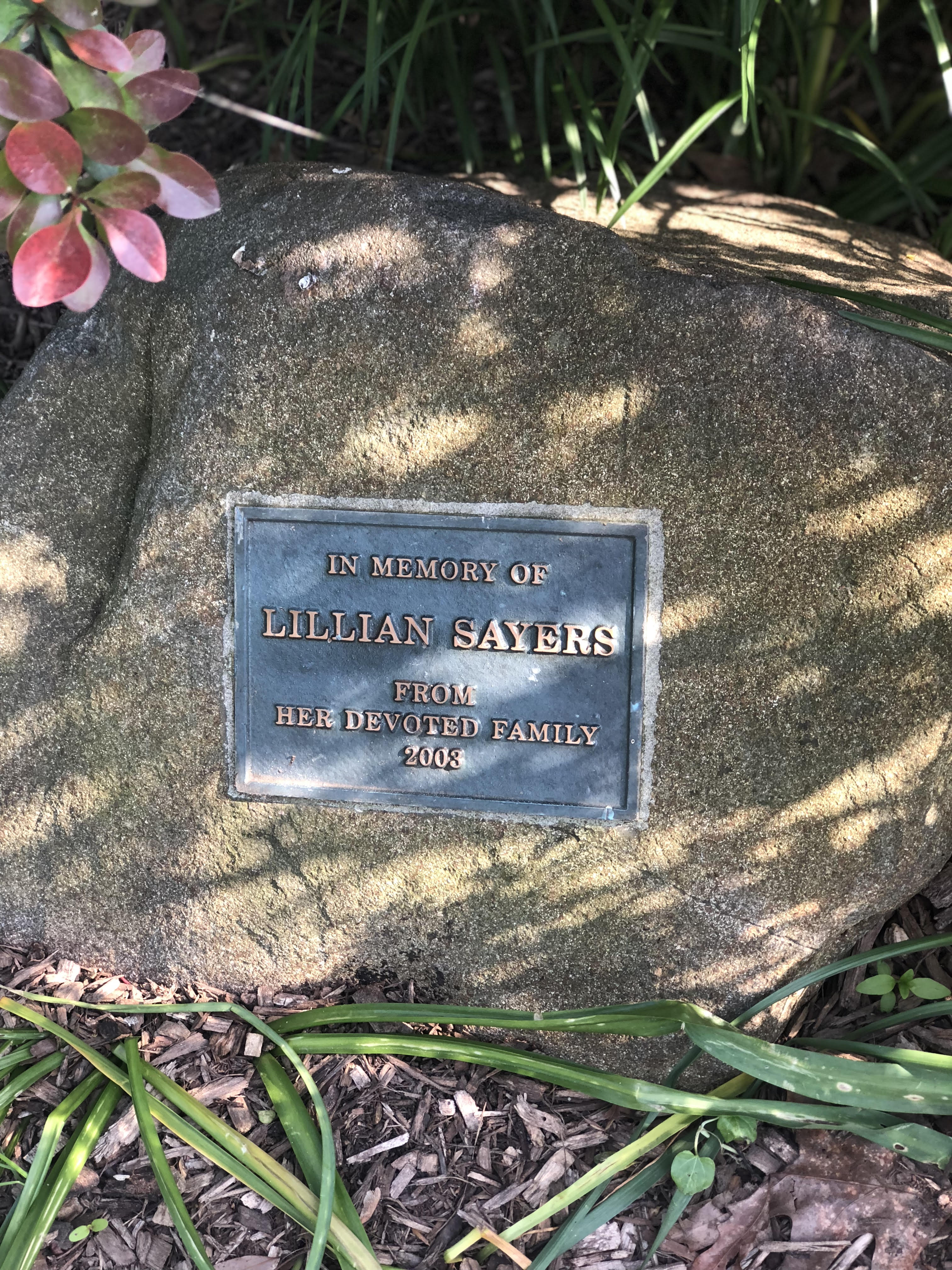
So interestingly, if you go to the conservatory garden, all the electric boats and the little pretty, right? So if you are standing on the steps to go up, to either make a little bit of bearing left to the, “let me get an iced coffee,” or bearing right to “let me rent a little boat,” if you look at ight next to that row of benches in front of what in summertime is a beautiful display of like you know English garden look of like random wildflowers but it was obviously purposely planted that way kind of thing if you look at the rock there that says “In memory of Lillian Sayers from her loving family.”
So when my grandmother died, my grandfather gave an endowment to Central Park to pay for that garden, and when he died, in a very complicated story that I won't get into, but his son who was also dying, my uncle, who was in charge of things and dying and it was a complicated relationship there, what was done for my grandmother was not done for my grandfather, so it's very very touching that the people in his building at 785 5th Avenue, because after my… you know they moved out of the townhouses when grandmother was dying and moved into that apartment on 785 5th Ave because she wasn't walking up five flights of stairs.
It's very nice that the people in the building, because my grandfather was president of the board for many years in the building, that they came together and said “Let's get Ted a bench” is really exceptionally touching, because that was such an important place to him, the park, obviously, you know his wife was honored, we made a point of I remember there was a little ceremony with the podium and the, we had a little speech and there was like a little news it was like a cute little… that was such a big fanfare and he was so proud to do that for my grandmother, and it makes me very happy to know that the people who lived in his building who appreciated that he served as the president of the board and was a decent neighbor and all that, they came together and got in that bench that's really, um yeah no it's very touching that the building did that for him.
She, my grandmother, was significantly even more successful in certain ways, which is unusual in the late 40s, early 50s to be a career woman. You know she patented 13 patents. She was a brassiere designer. She patented the underwire bra and the training bra. Yeah so that was like, insane.
You could see her walking down the street on Madison Avenue from a few blocks away. I remember when she died, I found a couple of, you know how you have like a credit at a store or something, and so we were going through a lot, I said, “Oh, she's got $75 at Burgdorf Goodman.” So I walked up to the makeup counter at Burgdorf Goodman, and I said “Oh, I found this, it belonged to my grandmother. May I use it?”
And she said, " Who was your grandmother?” And I said Lillian Sayers, and she, at Burgdorf Goodman, at Burgdorf Goodman, okay? The woman says to me, “She was the most beautiful woman in all of New York. I've never seen anyone more glamorous than your grandmother.” I said no shit.
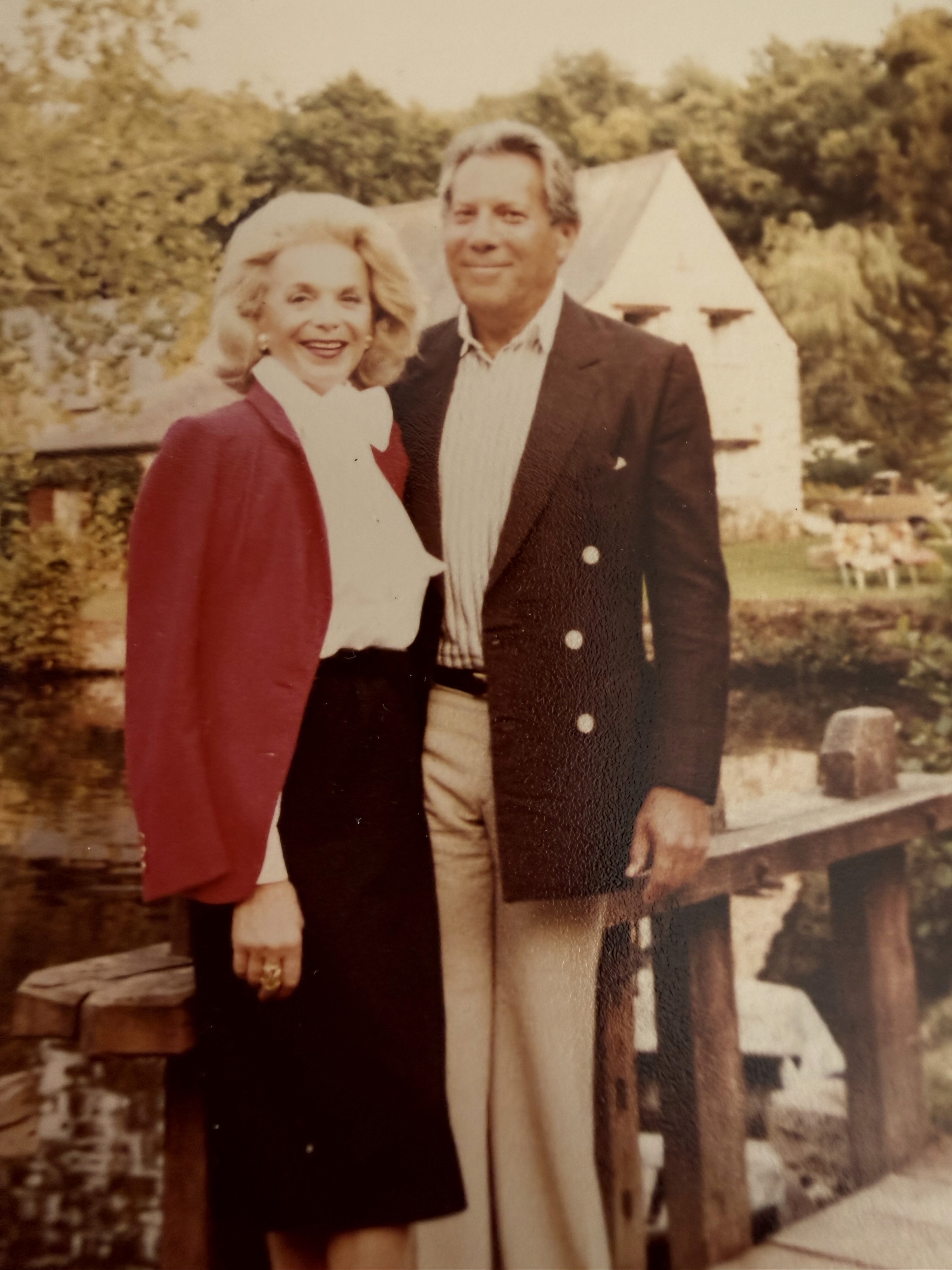
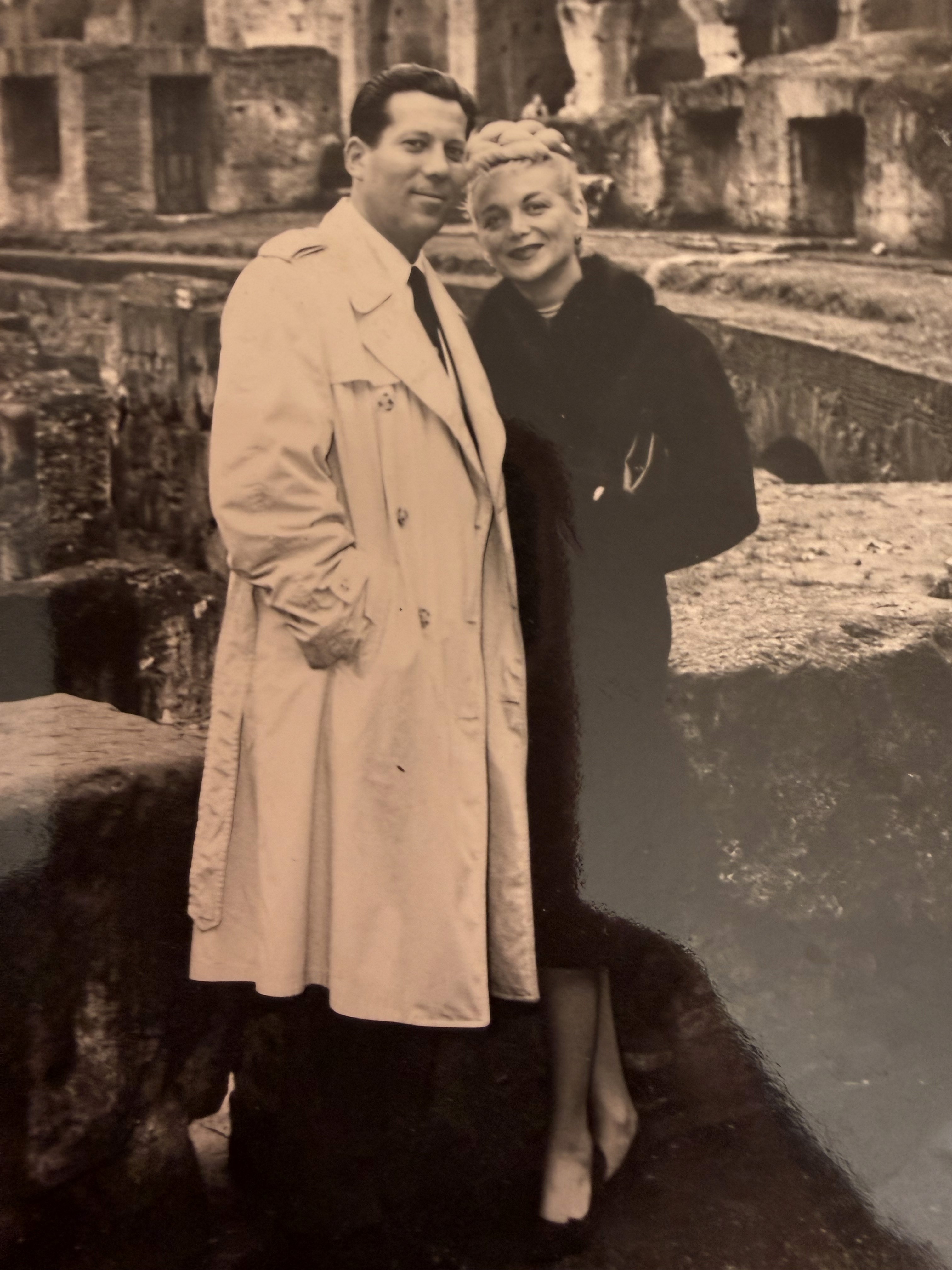
And my grandmother knew how to handle my grandfather. She knew she knew just how to put her hand on his arm, and it, like, tamed him in a way. They just loved living there, so they were, yeah, they were quite a couple.
I will say that in terms of what the city meant to him, oh, I would say it meant success, it meant belonging, it meant the best, the epicenter of the world, it meant, I think also it meant safety, you know, for our people. It meant deep pride as an American, the most, you know international city in the world, the most sophisticated city, and he's a lover of Paris and a lover of London, a lover of, he visited over a hundred something countries. He was super well traveled, but I think just a deep amount of pride in all the things that he was. Like, as an American, as a Jew, as a success in business, as a supporter of the arts, you know what I mean. The city meant all of that to him.
Yeah, I will go visit the bench, and I'm glad it's there because even though he was a complicated person, I do believe that he gave a tremendous amount to the city and had such respect for the city and had such admiration for the city. It's nice that there's a little piece given back to him, and that it would come from the last group of people you know he was neighbors with– it’s poetic and very, very touching, it's sort of what, the best…
You know, I left New York. I couldn't stand it anymore, and I, you know, I just found it a very difficult place to live in with children, but it is my home. I was born and raised there, and I will say, that the bench itself, that it was donated by these people and says that and that’s the story of how he has a bench in Central Park– it is the best of New York.
It’s hard to live on top of each other even if you’re all gazillionaires.
In the best case scenario, isn't it nice you live around all these people?
In the best case scenario, that's what's so great about New York, right?