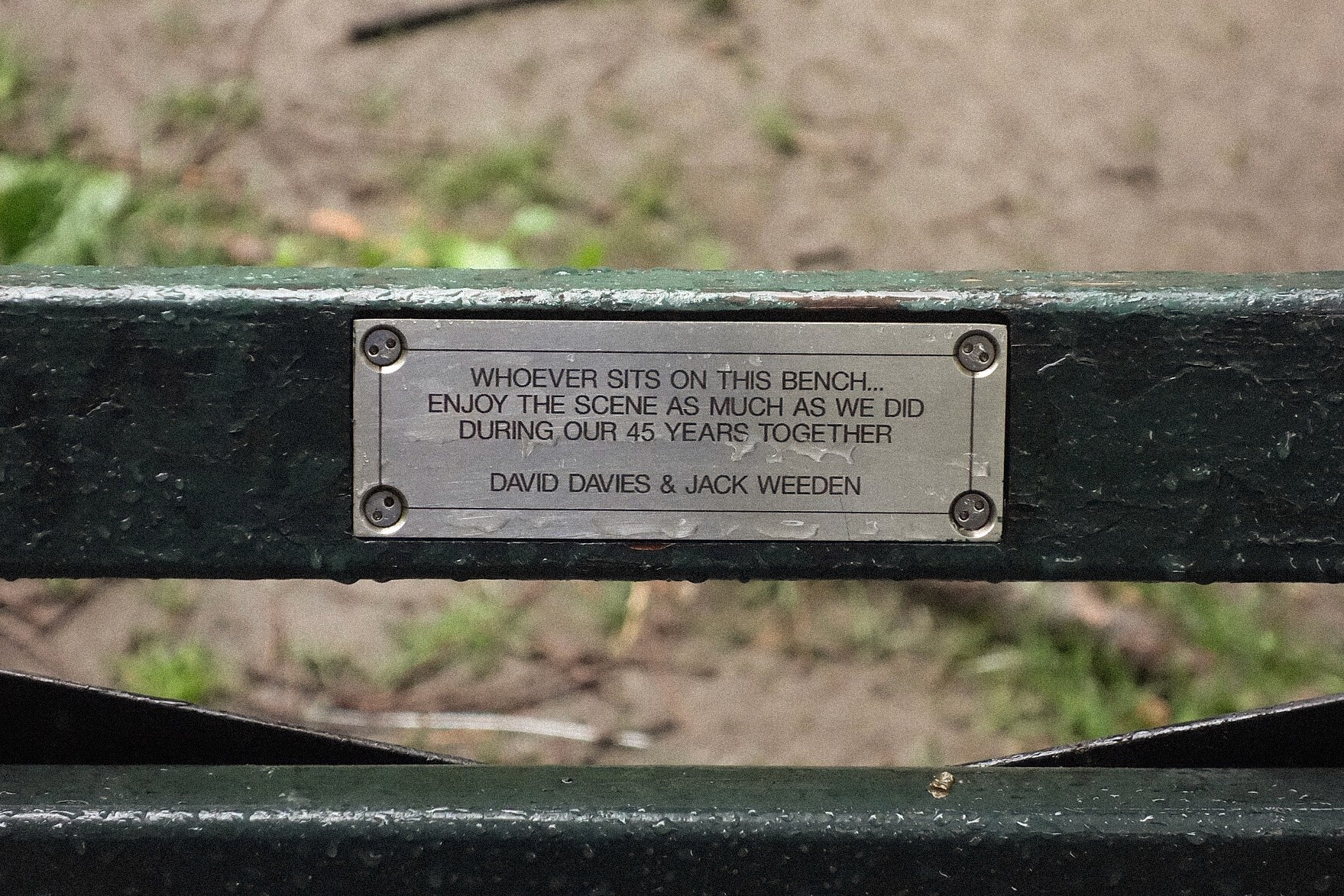
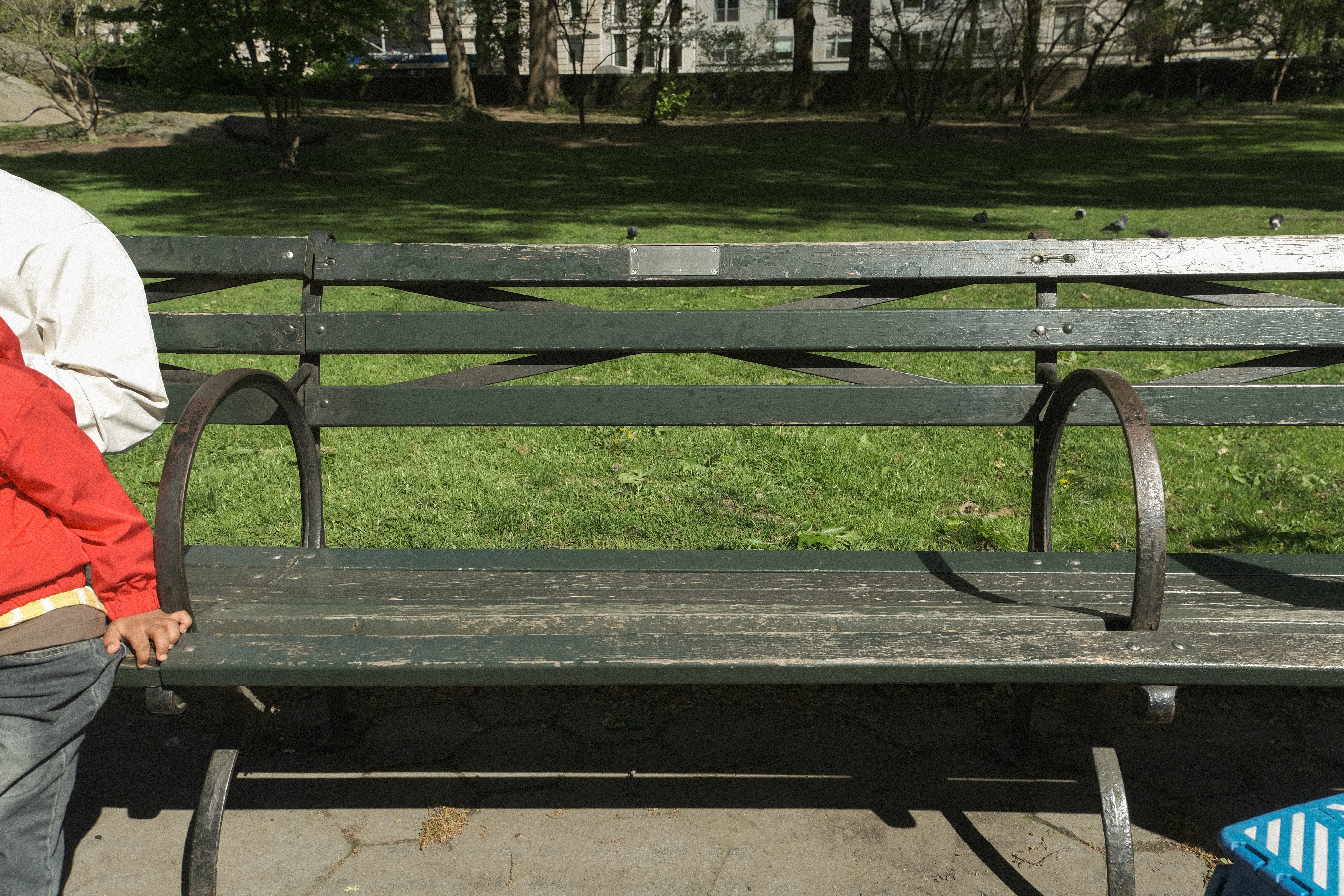

"Whoever sits on this bench... enjoy the scene as much as we did during our 45 years together. David Davies & Jack Weeden."
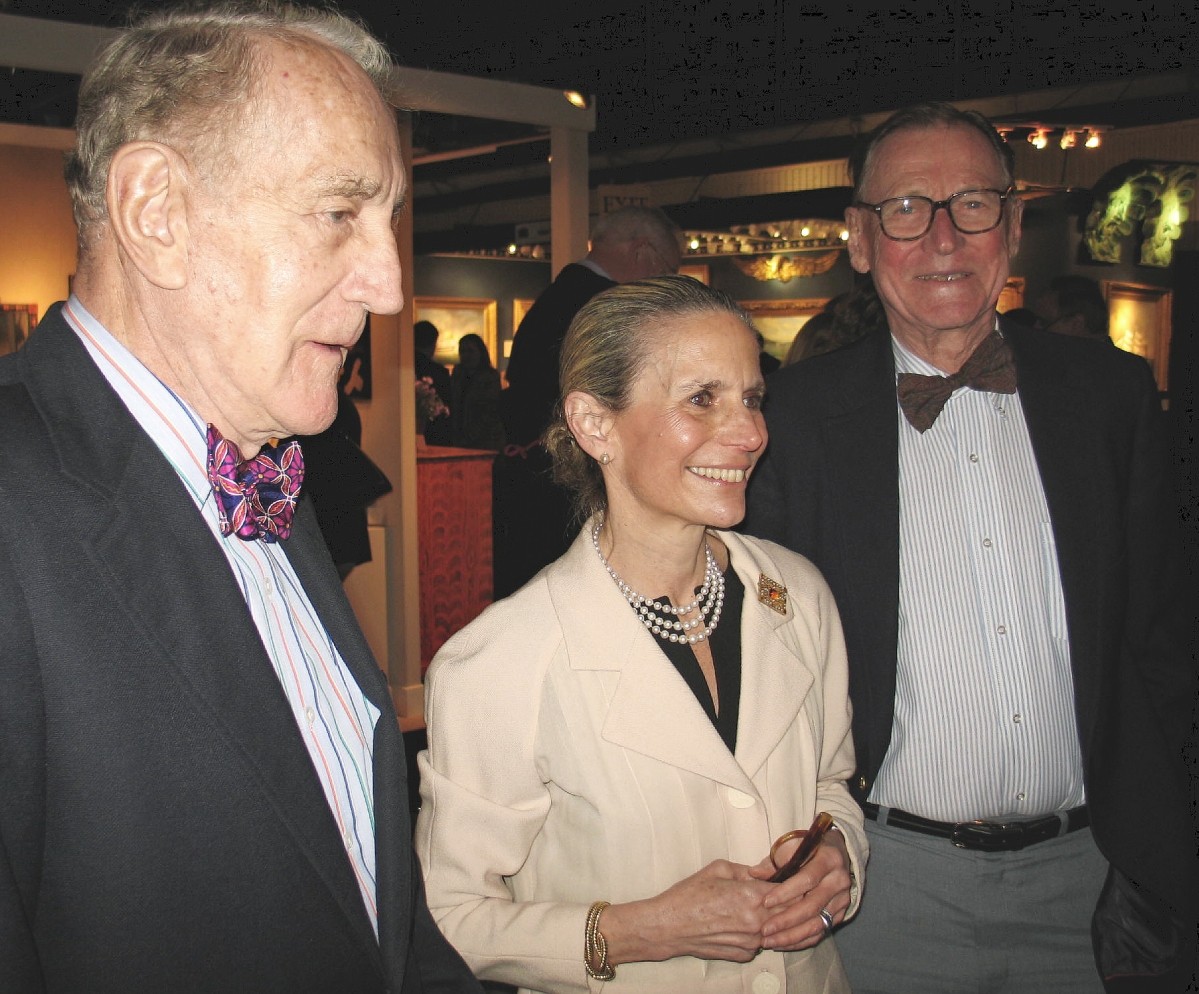
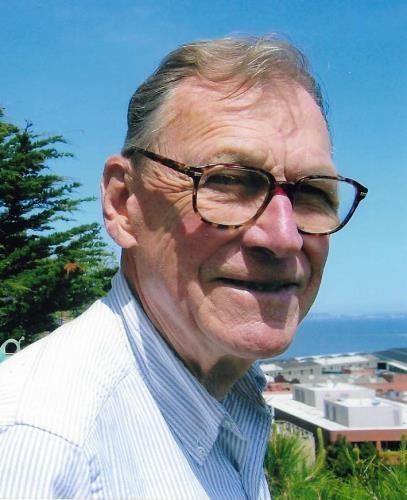
David Davies and Jack Weeden were partners for 45 years, sharing a life between New York and San Francisco before marrying in 2011, just months before David’s passing in 2012. David was a collector of Americana art while Jack worked for his family’s financial firm, Weeden & Co., bringing a steady counterbalance to David’s “firecracker energy.”
This bench was dedicated by David and Jack themselves, although the exact time that the dedication was made is unclear.
Nancy Druckman worked at Sotheby’s for over four decades, serving as Head of the American Folk Art Department for 41 years. She first met David through the art world, and her and her husband became close friends with both David and Jack, maintaining a friendship that spanned more than 30 years.
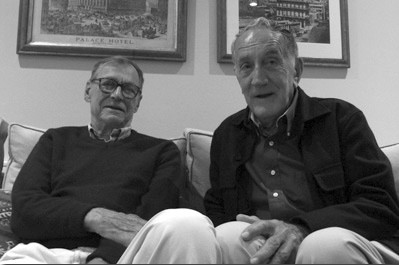
Interview with Nancy Druckman
February 27, 2026
Interview Transcript
Well, you know what? I can't remember when I first met David. When he died in 2012, I referenced the fact that I had known him and Jack for over 30 years. So you do the math.
It was certainly through my job at Sotheby's, because I was head of the American Folk Art Department there. So, you know, it's just a very tangled kind of situation where, you know, there could have been 50 different ways that I met David and Jack.
But clearly we clicked, you know.
David, he was absolutely fantastic.
He had a tremendous spirit and tremendous… hunger is too, too strong a word, but he had a profound determination to do things and acquire things that really struck a bell with him.
You know, he was born in Peoria, Illinois, and I think in sort of modest circumstances, you know, he worked for a couple of shipping lines. And I remember at some point that he told me that he was rapidly promoted or got the job because he could type faster than anybody. So that was sort of interesting.
I think he went to Stanford Business School, and I think that's probably where he and Jack met. Jack was a, I don't know if he was an Olympic backstroker, but he was one of the stars of the Stanford swimming team.
But David had this enormous energy, enormous appetite, and an inability to really give much credence to obstacles that were… somebody that didn't have those gifts would have fallen prey to. And it was an avatar of his real estate holdings, his publishing holdings, certainly his collecting– all of that, you know, had its roots in that, if something seemed impossible, David would, if the object of his desire was at the other end of that spectrum, he made it happen.
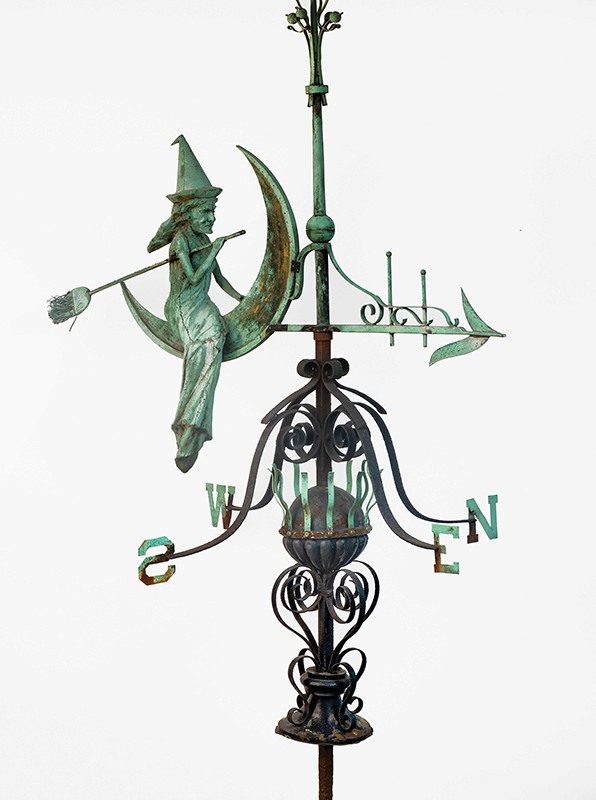
He and Jack were traveling back from somewhere, I don't remember where it was. And as they were driving, it was in the fall, and the leaves were sort of falling off the trees, and David spied on the top of a house, an incredible witch weather vane.
So this was a molded copper figure of a witch seated on her broom with a crescent moon behind her. Just a fantastic piece that was made by Mullins and Company in Ohio, a great manufacturer of weather vanes and sculptural pieces. In any event, they're in this car, they see this weather vane, and David immediately falls in love with it.
They go to the house, they knock on the door, and David says, I want to buy that weather vane. And the woman said, "Well, I've just sold the house. And I'll sell it to you, but you've got to get it off the roof before the people who purchased the house arrive tomorrow, because if it's up there, they own it.”
I can't remember if he got firefighters or tree trimmers. I mean, he found them, you know, like in the space of five hours, and he got the weather vane. And as far as I know, and I spent 45 years doing American Folk Art and Americana at Sotheby's, I’ve never seen another one like it. It was just a fantastic piece.
But that whole scenario that I have just told you, it was typical. And I think David was, I mean, the more difficult something was, the more he, the more he went for it.
And there are an infinite number of very funny stories about, you know, stuff that he did that any other human being were to say, forget it, it's impossible.
You know, a couple of things I mentioned in the obituary that was in the Art and Antiques Weekly about the sofa that he had flown over the polar ice cap to his and Jack's apartment. And then their thing about the refrigerator, where they had a sort of freestanding wall that was three-quarters of the way up towards the ceiling, and he had to build this ramp to get this thing over the top of the wall. But he did it.
And, you know, to say that it was eccentric really misses, you know, this is not a nutcase.
This is somebody who was very smart, very entrepreneurial, and in a way, a free spirit with a great sense of humor.
And it was a perfect kind of, yin and yang between the two of them, because Jack, I mean, they adored one another, but they were complements.
David was, you know, the kind of, I don't know how to say, the firecracker, you know, he was the high energy, and he was the driver, you know, he was pushing, pushing to collect these things.
David was the star, and Jack was the calm, kind of serene half, but not a marshmallow by any means, intelligent, also.
Jack came from a very wealthy family in California, and he was very sort of laid back, and calm and deliberate. He was, the company was Weeden and Company, and it was a financial entity, it was a third market company that had been in the family, and Jack ran the back office. And he was methodical, and steady, and well-educated, and he was a very capable human being.
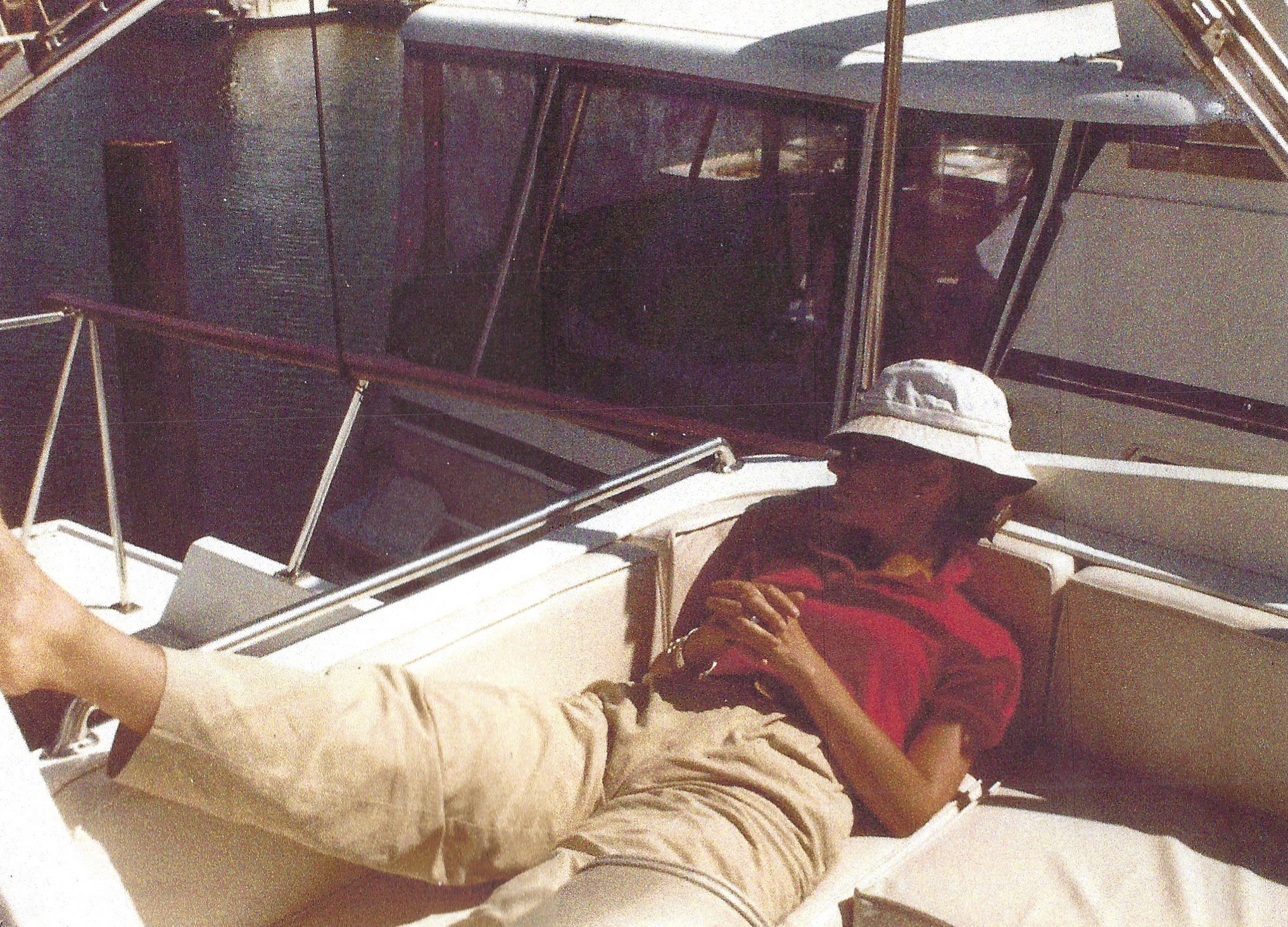
They lived on Telegraph Hill in San Francisco. They had a beautiful boat which they had moored in a boat yard in Sausalito, and my husband and I were out there visiting them, and David said, "Well, we're going to have a picnic on the boat.” Great! So we have a picnic lunch, it's cold salmon, and you know, whatever, champagne, and we get to the boat, beautiful, meticulously cared for, and a good size. And I said, “David, when are we gonna, you know, get out of the boat yard and into the water?” and he goes, “We're not doing that,” he said “I did it once,” and he said “it was so hard for me to back up and get the boat back into the appropriate slip, I don't, we don't go out.” So we just sat in the boat yard and had our lovely summer lunch, and that was it.
They had a couple of different apartments in New York, the last one was on 64th Street and Madison Avenue. And David wanted a loft. And on the top of that building, there's a great big sweeping window that goes up two stories, and David said, “Okay, that's what I want,” and they purchased it, and at that time I wrote them a reference letter because it was still, you know, boards were sensitive about a gay couple. But anyway, they got it, and it was absolutely stunning and I mean, if can you can go back to Architectural Digest, it was on the cover, and you can see the witch weather vane on a wall near this fantastic sloping window.
That was the most spectacular of the residences that they had. David was, I mean he was obsessive about his interior spaces being pristine. I mean, in San Francisco, there were floors in that house where you had to take your shoes off because he didn't want you to track up the rug or damage the tiles or something. And I said to him, I said “Where do you guys shower?” This place is so immaculate.
And you know that was kind of the M.O. And in New York, the same thing. They had a wall that had beautiful copper pots on it, and the pots were not to be used! I mean, they were there as a visual accent, God help you if you put one of those pots on a burner!
You know, when we would go there for dinner, David would sit with us in the living room, and Jack would be in the kitchen making dinner, so that's kind of, you know, an example of how, you know, how their relationship, how they accommodated one another.
I think, well, this again is probably more David than Jack, but I think New York was the shining star, the sophisticated culture, great restaurants, you know, all of that.
And I think if you go back to David's roots in Peoria, Illinois, you know it was something
that he really aspired to. And they threw themselves into the life here, you know, they made a lot of friends and entertained, and no, that is what amazes me! I never heard them mention anything about putting a toe in Central Park!
I was wondering if this was part of the feeling of getting married and sort of making some kind of lasting presence in New York.
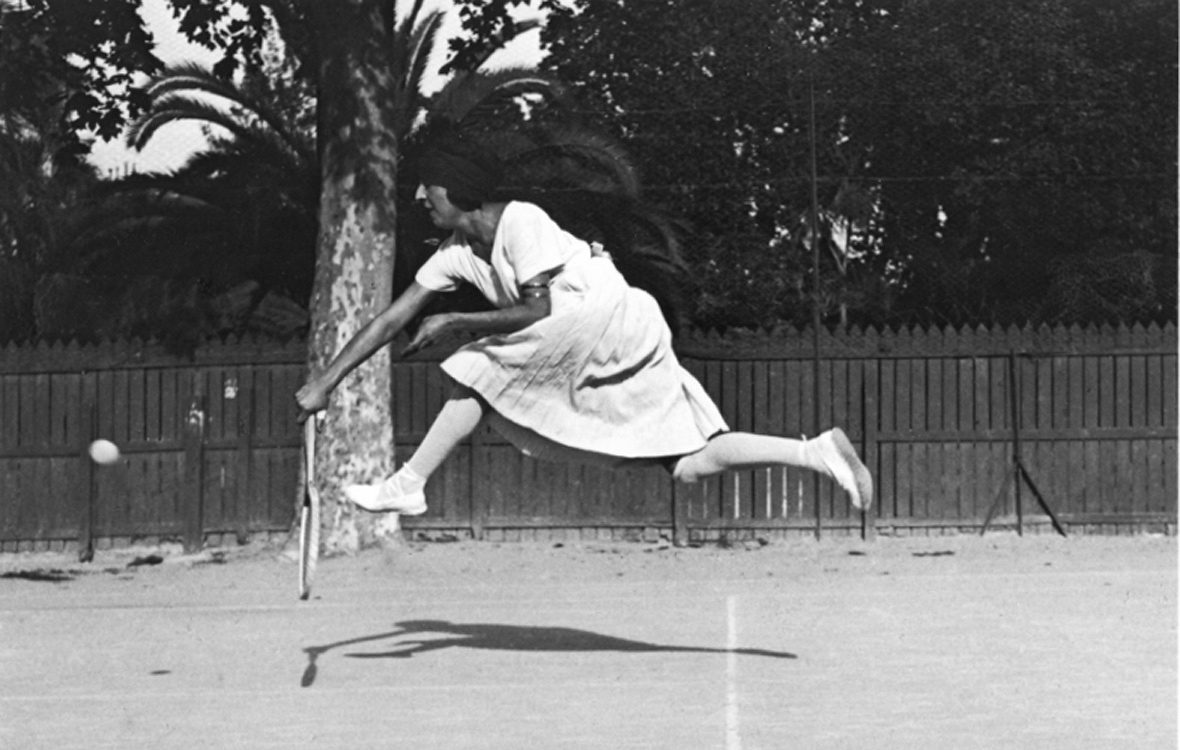
And one other remembrance. So David became a collector of photography and abstract art. You know, it was a shift from his American folk art, and he had a photograph of a woman tennis player, French tennis player, done in 1920 by, I'm not remembering his name, a famous French photographer, and we always admired that photograph. It was near the front door in California.
And about a month after David died, there was a big package outside our door, and I just ordered a frying pan from Amazon, and I thought, okay, that's the frying pan. But when I opened it up, it was the photograph.
So David left that to us in his will. So he was just a generous, lovely, wonderful friend.
And I have to say, just as an aside, that of all the friends that my husband and I have met over the years and have had really wonderful relationships with, the people that I think about most are David and Jack. And I guess that speaks to just how lovely it was to have them in our lives. And somewhere buried in the cerebral cortex, when something happens, I think, “I want to tell David and Jack about that.”