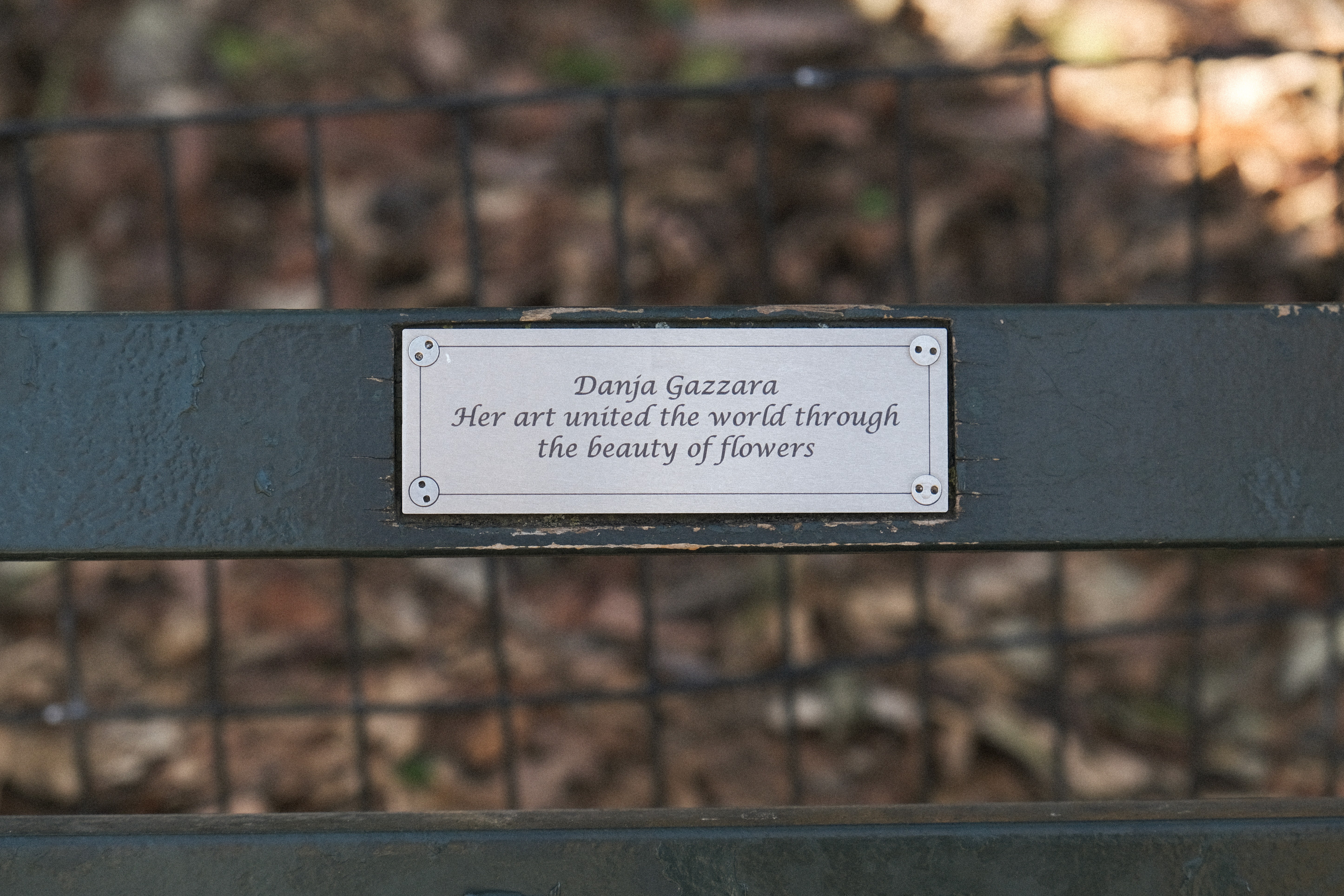

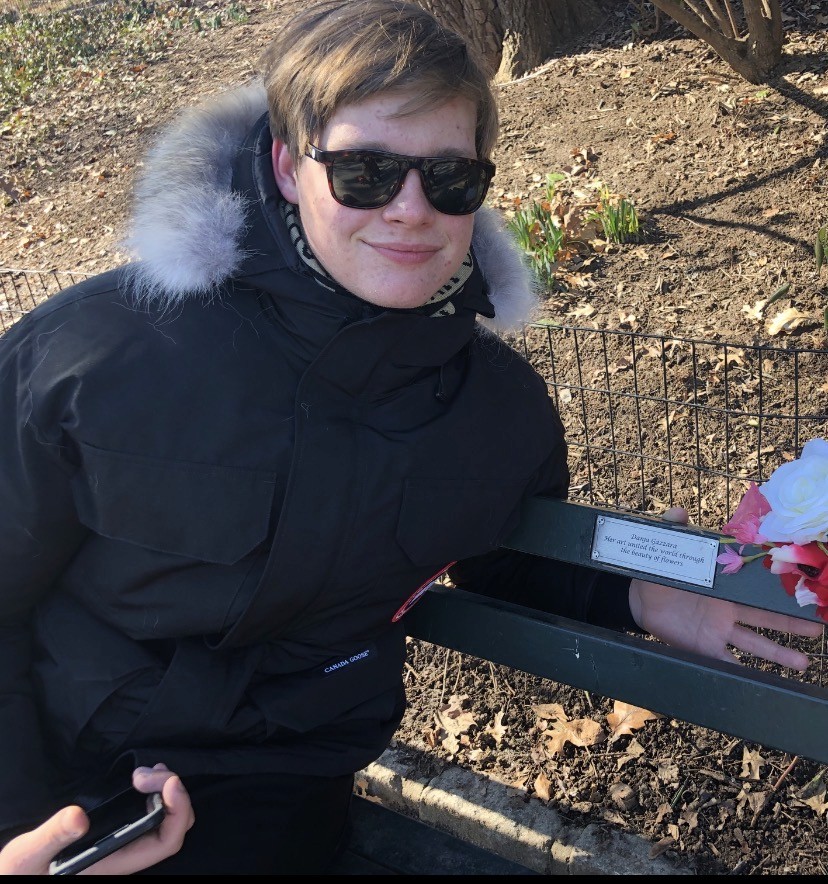
"Danja Gazzara. Her art united the world through the beauty of flowers."
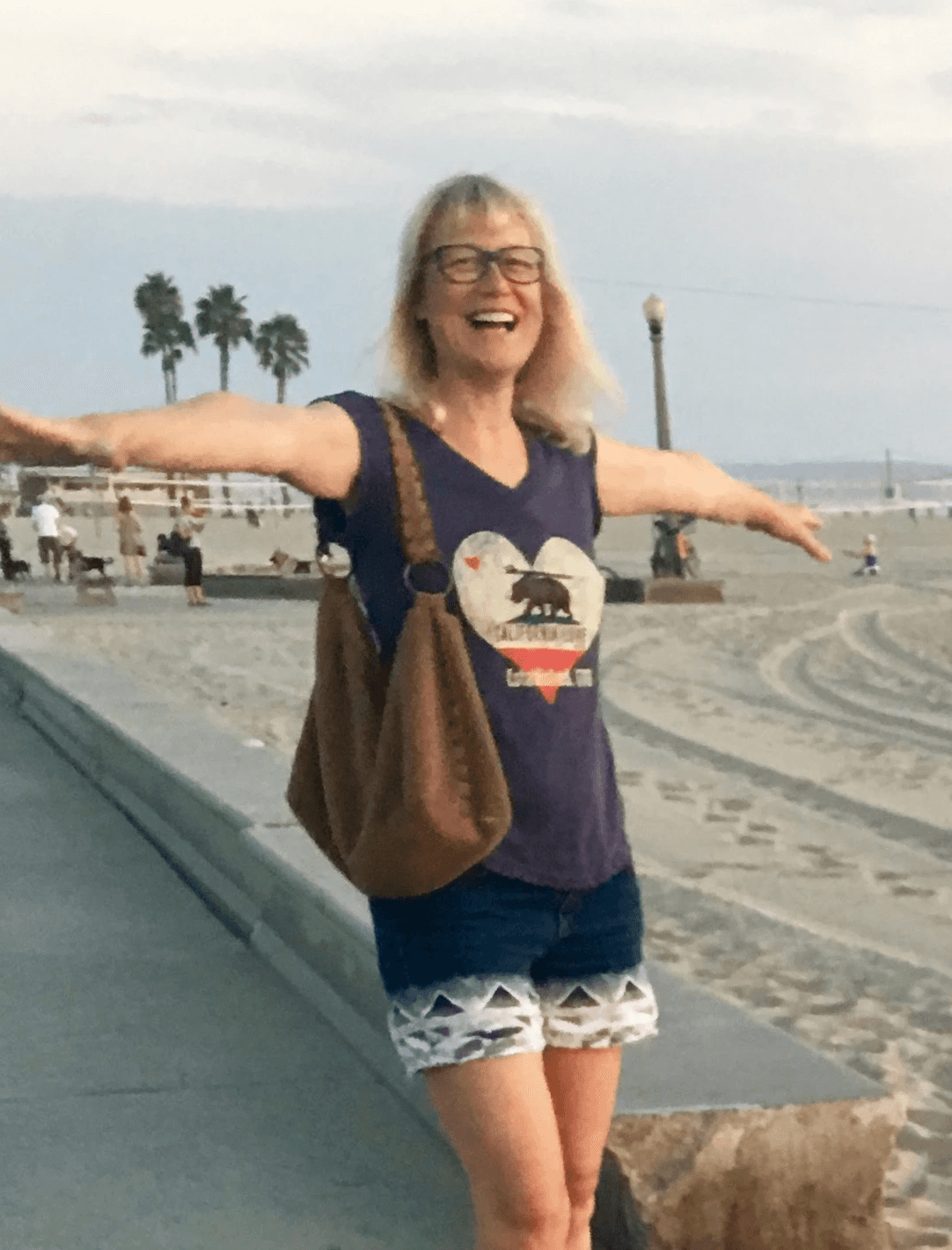
Danja Gazzara was an artist who grew up between cultures, shaped by life in both the United States and Europe. The daughter of Elke and Ben Gazzara, she navigated the complexities of having parents who were public figures while forging her own path as an artist.
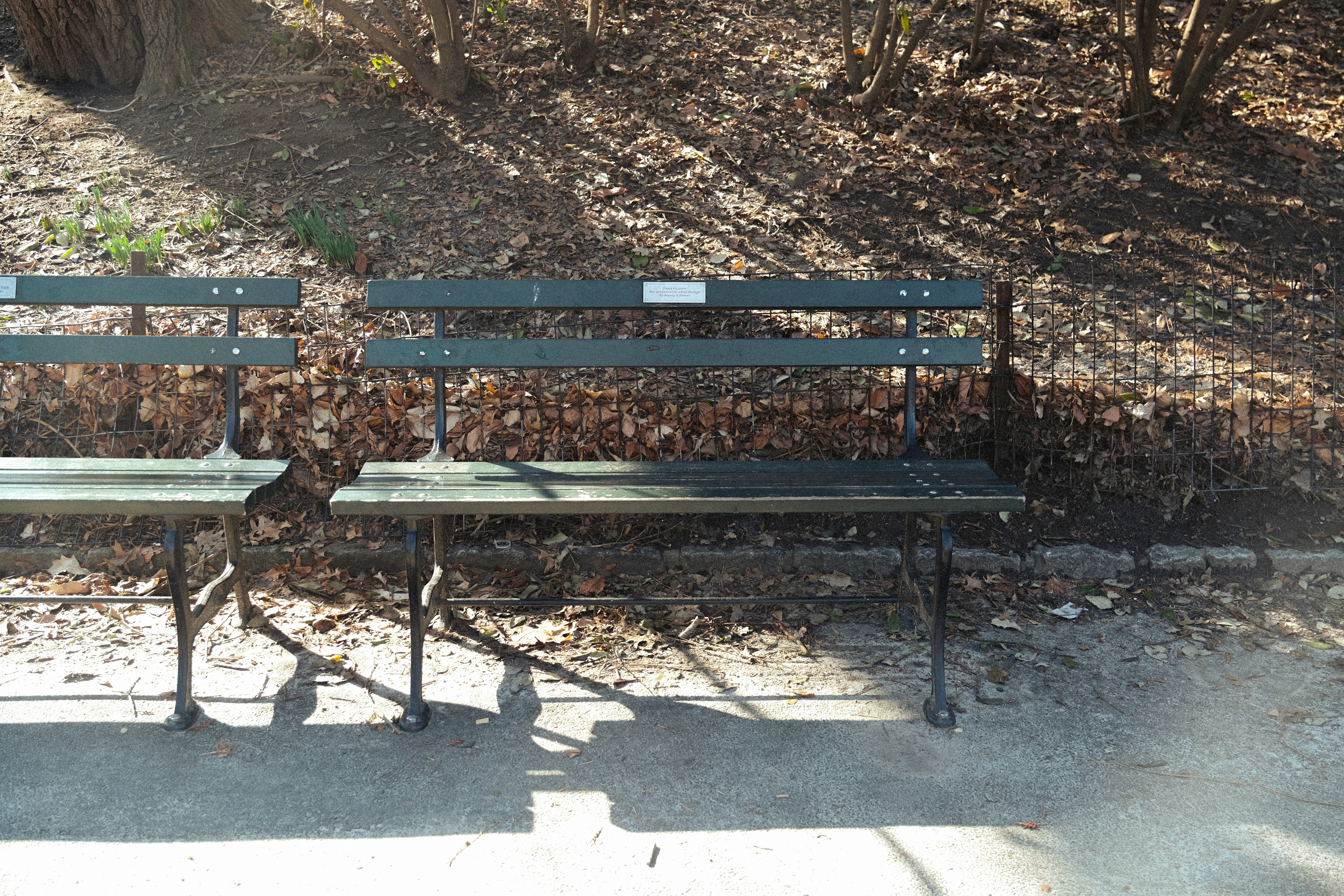
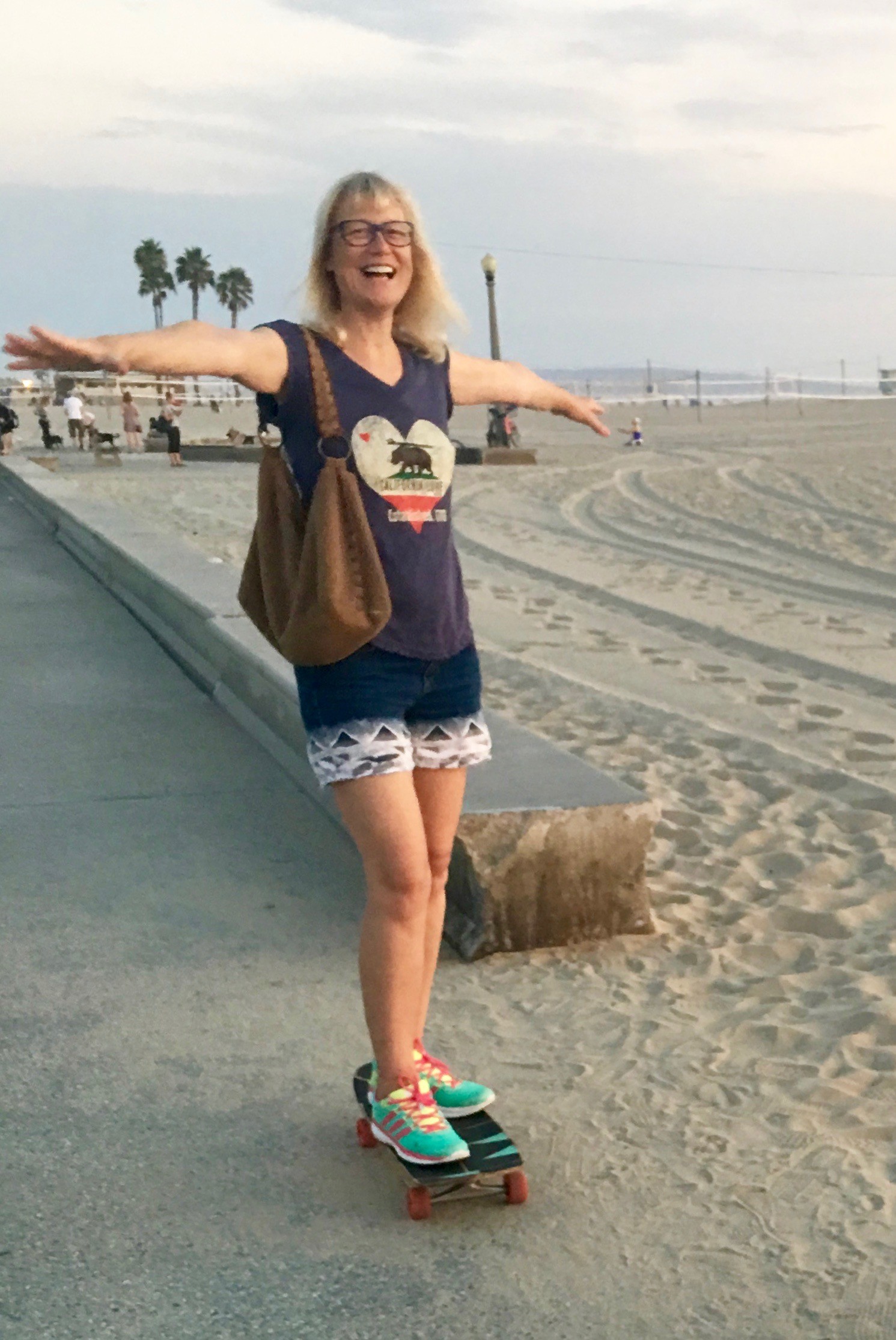
This bench was dedicated to Danja Gazzara by her mother, Elke, after Danja’s passing in 2019.
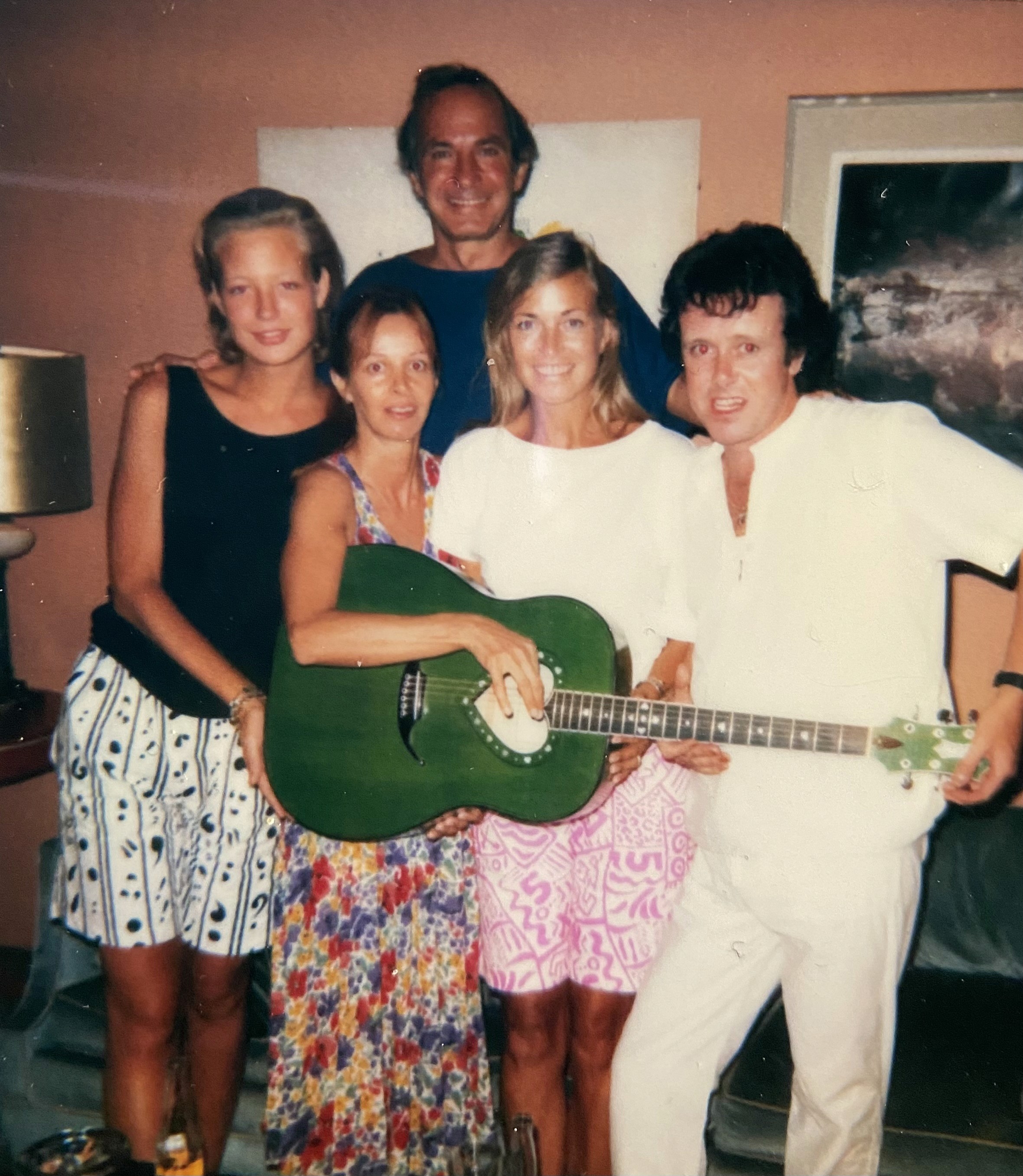
Victoria and Tony Foutz are long-time family friends of the Gazzaras. They were particularly close with Danja’s parents, Ben and Elke, and their friendship with the family spanned 30 years as their lives intertwined between Italy and the United States. Victoria and Tony now reside in Dublin.
Interview with Victoria and Tony Foutz
April 6, 2026
Interview Transcript
Tony:
Well, I was doing films with Ben Gazzara, the adopted father of Danja, and Danja was maybe 11 years old at that time, and I knew her until, you know, she passed.
I met Ben on a film. I worked in Italy as an assistant director to Marco Ferreri, and I co-wrote Tales of Ordinary Madness about Charles Bukowski with Ferreri at the time, and Ben was cast in that movie, and that's where we met in 1981.
Yeah, we filmed that in the United States, and then we did other films over the years in Italy, and so they were in and out of our lives. Victoria and I were there at the same time, so, you know, our lives intertwined over all those years. So, we were close, and we were very good friends, and we had a, you know, a real zany relationship with them.
Victoria:
You were making a movie in Spain. She was there also.
Tony:
Oh, yeah, no, but Danja was in and out of those things. She wasn't in everything, but we were always with her. Then in Italy, we were living in Italy, Victoria and I, for 11 years, during all that period of time in the 80s, up until 1995.
So, we were always, they spent a lot of time in Rome also, the Gazzaras, and Danja. That's where she grew up, more or less. Apart from her German background, you know. So that was, that was our interaction, that's the real deal.
And she was an international girl, with celebrity parents that overshadowed her life a lot, but then she tried to, you know, establish her own identity like anybody.
That's the classic story in those, in that context, if you know that, celebrities and their kids. You know, sometimes it's, it's not a smooth ride all the way, in a sense of trying to establish your own identity, persona.
She was multilingual, multicultural,
Victoria:
Beautiful.
Tony:
And yeah, beautiful. And she was, you know,
Victoria:
Intelligent.
Tony:
Yeah, very intelligent.
Victoria:
She had her own personality.
Tony:
But that's, the usual, that type of background, it sort of makes her a bit different than you know, most teenagers, or young girls finding their way, through adolescence, into early adulthood and beyond, you know, but she was a very sensitive person, too.
Victoria:
As opposed to listening to the mother, “Be a model, try to be a film star, go out with this person,” you know, all these things, this unrealistic life that didn't suit her, you know.
She did try, but it wasn't her. Therefore, there were discrepancies between mother and daughter. So, at least she broke out from that and took this creative outlet, and it was wonderful to hear that she was doing that.
The way she did it was she created a few collections, and then she would sell them in different markets, and that was like an outlet of her expression. She created with felt. She made all these wonderful cushions.
I know she spent a lot of time with the mother on and off in New York, but because they were two different personalities, that led to a lot of ups and downs, fights and misunderstandings and all that. So, she went off to California, and then she met this, which I thought at the time was a car designer, no, he's a shoe designer, and he's the CEO of Skechers. That's the husband, the ex-husband, I mean, he’s a widower now. And then she told me, yes, I married this artist, and we had Alexander.
We kind of lost track for a while, but I'm glad that she ended up happy with her son and had a creative career and all that.
Tony:
And that bench was something that Elke did in memory of your daughter, of course.
Victoria:
Yeah. [Laughs]
Tony:
Yeah, we’ll send you a picture of her dog on that bench!